How Businesses Can Prepare for AI-Driven Market Shifts
How Businesses Can Prepare for AI-Driven Market Shifts
Understanding AI Market Disruption
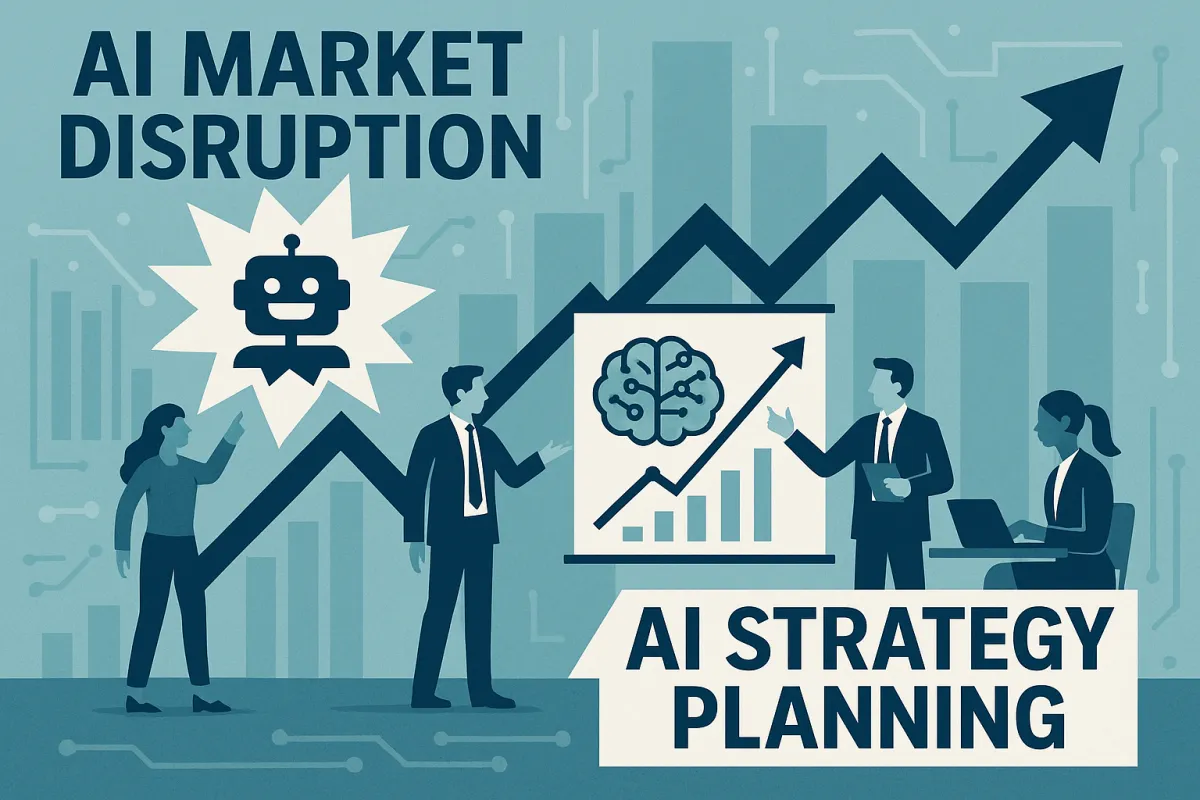
The rapid advancement of artificial intelligence (AI) is fundamentally reshaping industries across the globe. From predictive analytics in retail to automation in manufacturing, AI-driven market shifts are no longer a distant possibility—they are happening now. Businesses that fail to adapt risk being left behind as competitors leverage AI for smarter decision-making, improved customer experiences, and operational efficiency.
Proactive AI strategy planning is essential for small and medium-sized businesses (SMBs) aiming to thrive in this landscape. Rather than reacting to change, successful companies build adaptive systems capable of anticipating and responding to technological disruption.
How AI is Reshaping Industries
- Retail: AI-powered inventory management and personalized marketing are optimizing supply chains and increasing sales conversion rates.
- Healthcare: Machine learning algorithms streamline diagnostics and patient care, improving outcomes and reducing costs.
- Financial Services: AI-driven fraud detection and risk analysis are transforming regulatory compliance and customer trust.
- Manufacturing: Predictive maintenance and robotics are reducing downtime and increasing productivity.
According to McKinsey, AI could deliver up to $4.4 trillion in annual value across industries. Companies that proactively prepare for these shifts will capture outsized gains as markets evolve.
Building Adaptive Systems: Core Principles
Preparing for AI-driven market shifts starts with designing systems and cultures that can evolve. Here are key principles to guide your approach:
- Agility: Foster flexible processes and teams that can pivot quickly as new AI tools and trends emerge.
- Continuous Learning: Encourage ongoing upskilling and experimentation with AI technologies across the organization.
- Data-Driven Decision Making: Invest in collecting, cleaning, and leveraging data as the foundation for AI-driven insights.
- Scenario Planning: Regularly assess how various AI trends could impact your business, and develop contingency strategies.
Practical Steps to Prepare for AI Market Shifts
1. Audit Current Processes and Identify Automation Opportunities
Begin by mapping out core business functions. Identify repetitive tasks or bottlenecks where AI-powered automation could drive efficiency. For example, deploying AI chatbots can free up customer service teams to focus on complex issues.
2. Invest in Data Infrastructure
High-quality, accessible data is the backbone of any successful AI initiative. Evaluate your current data collection and storage systems. Consider adopting cloud-based solutions or data warehouses to centralize information and facilitate future machine learning projects.
3. Upskill Your Team
Empower employees with AI literacy training. This doesn’t mean turning everyone into data scientists, but ensuring staff can collaborate with AI tools and recognize their potential. Encourage cross-functional teams to pilot small AI projects and share learnings.
4. Monitor Industry-Specific AI Trends
Stay ahead of disruption by tracking the latest developments in your sector. Subscribe to reputable sources like Forrester’s AI Research or industry-specific newsletters. Regularly benchmark your business against peers adopting AI-driven solutions.
5. Develop an AI Strategy Roadmap
Outline a phased approach for integrating AI into your operations. Start with low-risk pilot projects that can demonstrate value, then scale successful initiatives. Regularly review and update the roadmap as new technologies and market dynamics emerge.
Checklist: Is Your Business Ready for AI-Driven Change?
- ☐ Have you identified key operations that could benefit from AI automation?
- ☐ Is your data infrastructure robust and accessible for AI projects?
- ☐ Are team members receiving ongoing training in AI literacy and tools?
- ☐ Do you actively monitor AI trends relevant to your industry?
- ☐ Have you created a clear, adaptable AI strategy roadmap?
- ☐ Are you measuring and reporting on the impact of AI initiatives?
Real-World Example: AI Adoption in Retail
A regional retail chain faced rising costs and inconsistent customer experiences. By auditing their customer service process, they identified frequent, repetitive inquiries as a pain point. Implementing an AI chatbot reduced response times by 60% and improved customer satisfaction scores. Simultaneously, leadership invested in staff training and gradually rolled out AI-driven inventory forecasting, resulting in a 15% decrease in stockouts. This phased, adaptive approach allowed the business to capture AI-driven benefits while minimizing disruption.
Explore more industry examples and strategies on the Future Proof Labs blog.
FAQ: Preparing for AI-Driven Market Shifts
- How quickly should businesses start planning for AI-driven changes?
- The best time to start is now. Early planning enables businesses to identify opportunities, train teams, and build competitive advantages before disruptions take hold.
- What are common pitfalls when implementing AI strategies?
- Common mistakes include underestimating data quality needs, neglecting staff training, and failing to align AI projects with business goals.
- Can small businesses afford to invest in AI?
- Yes. Many AI tools are now available through affordable cloud-based platforms, and starting with targeted pilot projects can minimize risk and cost.
- How can companies measure the impact of AI initiatives?
- Set clear KPIs for each project, such as increased efficiency, reduced costs, or improved customer satisfaction, and track progress over time.
- What resources are available for ongoing AI education?
- Online courses, industry newsletters, and communities such as the Future Proof Labs blog provide up-to-date insights and practical guidance.
Stay Ahead with Future Proof Labs
AI-driven market shifts are inevitable, but your business can stay ahead with proactive strategy planning and adaptive systems. For more actionable insights and founder-friendly resources on navigating technological change, visit the Future Proof Labs blog. Start future-proofing your business today—prepare, adapt, and lead in the era of AI market disruption.


