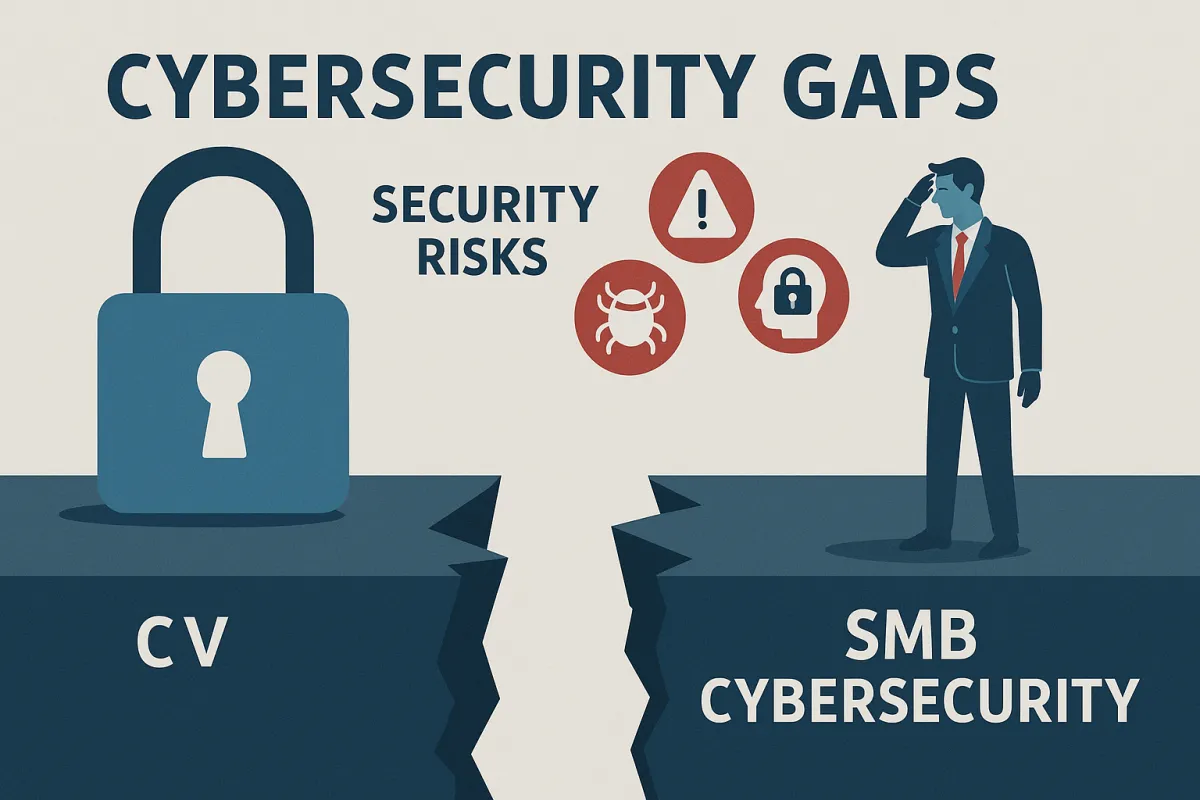
Cybersecurity Gaps That Cost SMBs the Most
Cybersecurity Gaps That Cost SMBs the Most
Small and mid-sized businesses (SMBs) face a growing threat landscape, but many still overlook critical cybersecurity gaps that can lead to costly downtime, data loss, regulatory penalties, and reputation damage. Understanding which weaknesses create the biggest financial and operational risks is essential for any founder or operator looking to safeguard their company’s future.
The Most Expensive Cybersecurity Gaps Facing SMBs
While large enterprises attract headlines, SMBs are disproportionately targeted by cybercriminals because they often lack robust defenses. According to IBM’s Cost of a Data Breach Report, the average cost of a data breach for organizations with fewer than 500 employees is over $3 million. Let's break down the most common and costly gaps:
1. Poor Password Practices
Weak, reused, or shared passwords remain a leading cause of breaches. Attackers exploit these gaps using automated tools to guess credentials or harvest them from previous leaks. Compromised accounts can provide access to sensitive data, financial systems, and client records.
- Example: A retail SMB experienced a $25,000 loss after an employee reused a work password exposed in a previous breach. Attackers gained access to payment processing systems and siphoned funds.
2. Outdated Software and Unpatched Systems
Unpatched vulnerabilities in operating systems, applications, or plugins create easy entry points for cybercriminals. Many high-profile ransomware attacks begin with an exploit targeting outdated software.
- Example: An accounting firm running legacy software suffered a ransomware attack, resulting in a week of downtime and $40,000 in lost business and recovery costs.
3. Lack of Employee Training and Awareness
Human error is a major risk factor. Phishing, social engineering, and accidental data sharing are common when staff aren’t trained to recognize threats. Cybersecurity awareness is often overlooked in fast-growing teams.
- Example: A construction company lost sensitive project data after an employee clicked a malicious link in a phishing email, leading to data exfiltration and reputational damage.
4. Insufficient Data Backups and Recovery Plans
Without reliable, offsite backups and a tested recovery plan, ransomware or accidental deletion can lead to permanent data loss and extended downtime. Many SMBs discover too late that their backups were incomplete or not working.
- Example: A law firm faced $15,000 in lost revenue and legal penalties after failing to recover client files from corrupted backups following a malware infection.
5. Insecure Remote Access and Cloud Configurations
The shift to remote work and cloud services has increased exposure to cyber risks. Weak remote desktop protocols (RDP), misconfigured access permissions, and unsecured cloud storage can open the door to attackers.
- Example: An e-commerce SMB had customer data exposed due to an improperly configured cloud storage bucket, resulting in regulatory fines and loss of trust.
Practical Steps to Close the Costliest Cybersecurity Gaps
Addressing these critical gaps doesn’t require a Fortune 500 budget. Here are actionable steps SMB operators can take today:
- Enforce Strong Passwords: Require unique, complex passwords and implement multi-factor authentication (MFA) for all critical systems.
- Automate Updates: Enable automatic updates on all devices and software, and schedule regular manual checks for legacy systems.
- Conduct Regular Employee Training: Run quarterly cybersecurity awareness sessions and test staff with simulated phishing campaigns.
- Implement Reliable Backups: Use automated, encrypted backups stored offsite or in the cloud, and test recovery at least quarterly.
- Secure Remote Access: Deploy VPNs, limit remote access to necessary users, and audit cloud permissions regularly.
Cybersecurity Gap-Closing Checklist for SMBs
- ☐ All users have strong, unique passwords with MFA enabled
- ☐ Devices and applications are updated and patched weekly
- ☐ Employees complete cybersecurity training every quarter
- ☐ Backups are automated, offsite, and tested for recovery
- ☐ Remote and cloud access is secured and regularly audited
- ☐ Incident response plan is documented and accessible
- ☐ Access to sensitive data is restricted to only necessary users
Real-World Impact: What’s at Stake?
The financial and operational consequences of ignoring these gaps can be severe:
- Direct financial loss: From theft, fraud, or paying ransoms.
- Business downtime: Extended outages can halt operations and erode customer trust.
- Regulatory penalties: Non-compliance with data privacy laws can result in hefty fines (FTC Guide to Protecting Personal Information).
- Reputational harm: Loss of customer trust can impact long-term growth and retention.
For more insights on protecting your business, see our related post on Essential Cybersecurity Strategies for SMBs.
FAQ: Closing Cybersecurity Gaps in SMBs
- What is the most common cybersecurity gap for SMBs?
- Poor password management, including reuse and lack of MFA, is the most common and easily exploited gap.
- How often should software updates be applied?
- Updates should be applied as soon as available, with at least weekly checks for all critical systems.
- Why are SMBs targeted more than large enterprises?
- SMBs often have weaker defenses, making them easier targets for automated attacks and opportunistic cybercriminals.
- What kind of employee training is most effective?
- Regular, scenario-based training combined with simulated phishing tests increases awareness and reduces risky behavior.
- How can SMBs test their backups?
- Regularly restore a sample of files from backups to verify data integrity and recovery speed.
Secure Your Growth with Future Proof Labs
Addressing cybersecurity gaps is essential for the financial health and resilience of your growing business. Future Proof Labs specializes in practical, founder-friendly solutions that help SMBs identify and fix their most pressing security risks. Explore our blog for more actionable guidance, or contact us to future-proof your company’s cybersecurity today.


