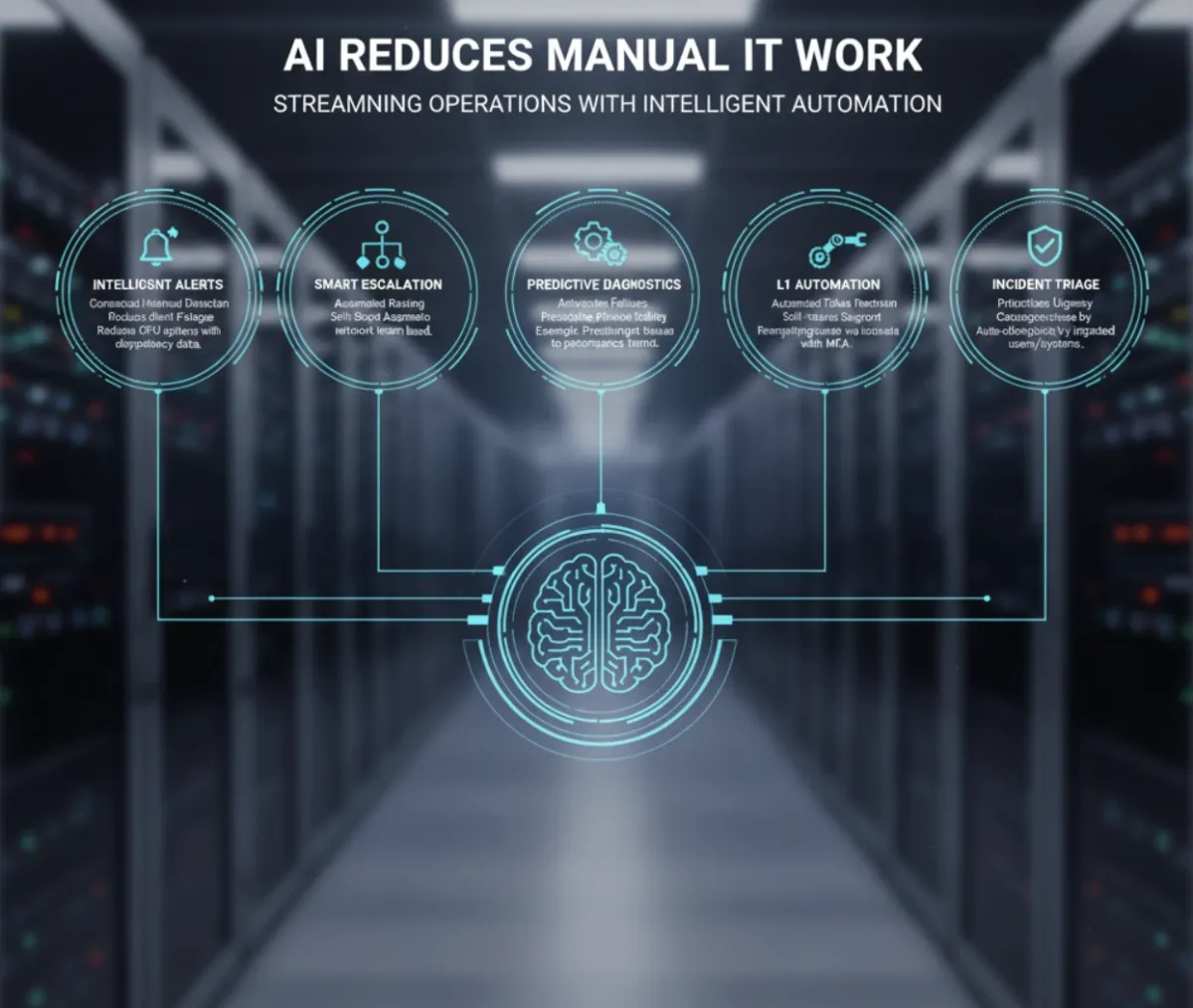
What Is a Cloud Networking Strategy?
Introduction
Many enterprises move workloads to the cloud only to encounter connectivity issues, latency, or security gaps. A clear cloud networking strategy is essential to ensure hybrid cloud success, seamless connectivity, and operational efficiency.
4-Stage Cloud Networking Readiness Framework
Assessment of Current Network Infrastructure
Map on-premises and cloud assets.
Identify bandwidth bottlenecks and latency concerns.
Evaluate SD-WAN readiness and VPN dependencies.
Cloud Architecture Alignment
Determine hybrid cloud or multi-cloud architecture needs.
Plan for cloud interconnects and secure routing.
Align network topology with business-critical applications.
Implementation and Optimization
Deploy SD-WAN or cloud-managed networking solutions.
Optimize routing policies for performance and resilience.
Ensure security policies and compliance standards are integrated.
Continuous Monitoring and Scaling
Track latency, throughput, and availability metrics.
Automate alerts and self-healing configurations.
Scale network resources dynamically based on traffic and application demand.
Key Metrics for Cloud Networking Readiness
Network latency and packet loss.
Application performance across cloud environments.
Uptime and SLA adherence.
Security and compliance posture.
Best Practices for Cost-Optimized Cloud Connectivity
Evaluate managed SD-WAN vs traditional MPLS costs.
Leverage cloud provider peering and direct interconnects.
Consolidate monitoring tools to reduce overhead.
Use AI-powered analytics to forecast demand and prevent overprovisioning.
Real Example: Avoiding Cloud Outages
A mid-sized enterprise experienced frequent application downtime due to poor routing across multiple clouds. By implementing a cloud networking strategy with SD-WAN and automated traffic routing, latency dropped 40% and SLA compliance reached 99.9%.
Quick Wins Checklist:
Map current network assets and dependencies
Identify hybrid/multi-cloud architecture requirements
Implement SD-WAN or cloud routing optimization
Integrate security and compliance monitoring
Automate alerts and scaling policies
FAQ Section
1. What is an AI readiness assessment and why does it matter?
It evaluates your infrastructure, processes, and data to determine readiness for AI-driven optimizations, including network intelligence.
2. How can I cut operational costs before scaling cloud networks?
Use managed services, optimize routing, consolidate monitoring tools, and leverage AI for predictive demand planning.
3. What are the biggest blockers to hybrid cloud adoption?
Connectivity issues, poor routing policies, security gaps, and lack of automated monitoring are common blockers.
4. How do I future-proof my cloud network?
Implement scalable SD-WAN solutions, integrate AI analytics, and continuously monitor for performance, security, and compliance.
5. When should I use a tool like GetFutureProof.ai vs building in-house?
Use GetFutureProof.ai for AI-driven readiness assessments, cost analysis, and transformation roadmaps when internal expertise or bandwidth is limited.
Conclusion
Ready to evaluate your cloud networking readiness and build a resilient strategy? Explore GetFutureProof.ai’s assessment tools to get started.


